

Wooded Demesne Loop Walk
A gentle circuit through mature woodland with open parkland sections. Perfect in autumn when the light filters through the canopy.
Discover the historic folly tower with sweeping views across the Suir valley. This heritage route combines a gentle walk through parkland with fascinating stories about the landscape's past.
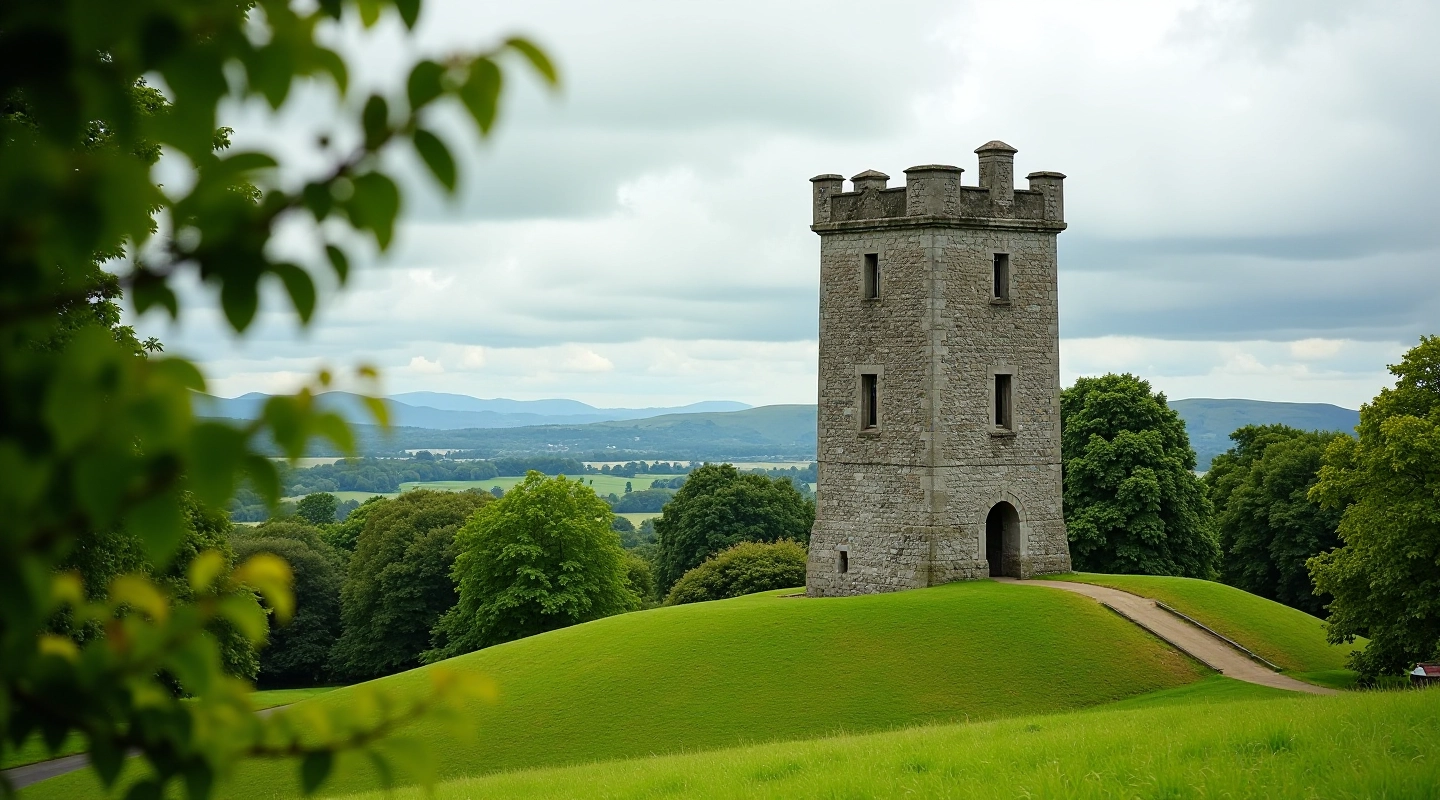
The Folly Tower Heritage Route is a straightforward walk that takes you through mature woodland and open parkland to one of Tipperary's most distinctive landmarks. You'll cover roughly 3.5 kilometres in about 90 minutes, making it ideal if you're looking for something manageable without being rushed.
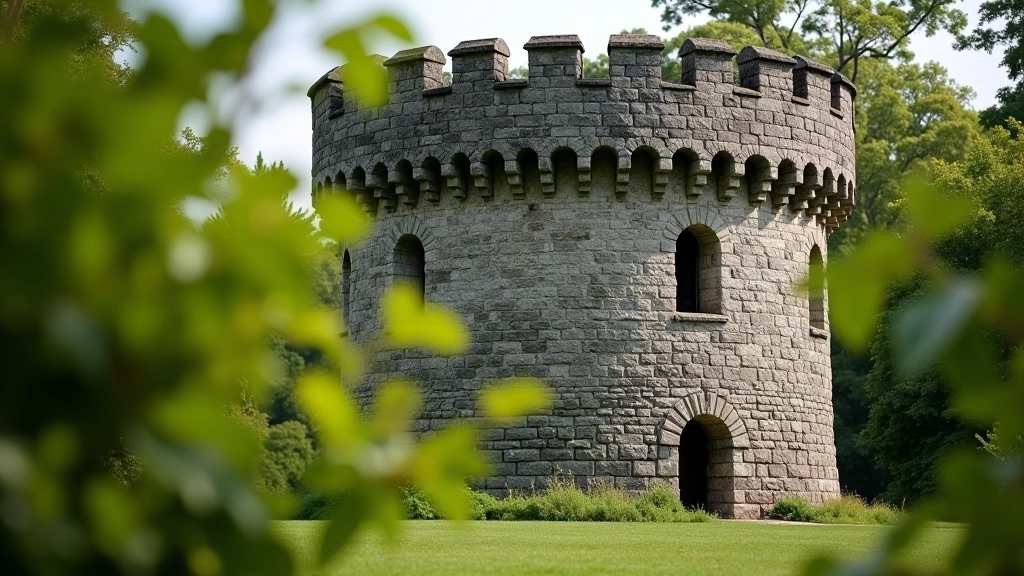
The tower itself dates back to the 18th century — it's a folly in the truest sense, built more for show than practical purpose. From the top, on a clear day, you've got panoramic views across the Suir valley. What makes this route special isn't just the destination though. It's the way the walk builds naturally, starting easy through woodland, then opening up into parkland as you approach the tower.

We're recommending this route because it genuinely suits different abilities. It's not steep — you're gaining maybe 80 metres elevation across the whole walk, and it's spread out nicely so there's no sudden climbs. The path surfaces vary: you'll get woodland trails that're soft underfoot, some gravel sections, and open grass parkland near the tower.
The walk loops back on itself, which means you don't have the pressure of getting somewhere and returning the same way. Plus there are natural rest points — a wooden bench about halfway where you can sit and just listen to the woods, and then you've got the tower itself as a proper destination worth reaching.
Most people find the scenery changes enough to keep things interesting. You start in close woodland, break out into parkland where you can see across the valley, then the tower appears. It's that progression that makes it feel more like an adventure than just a walk.
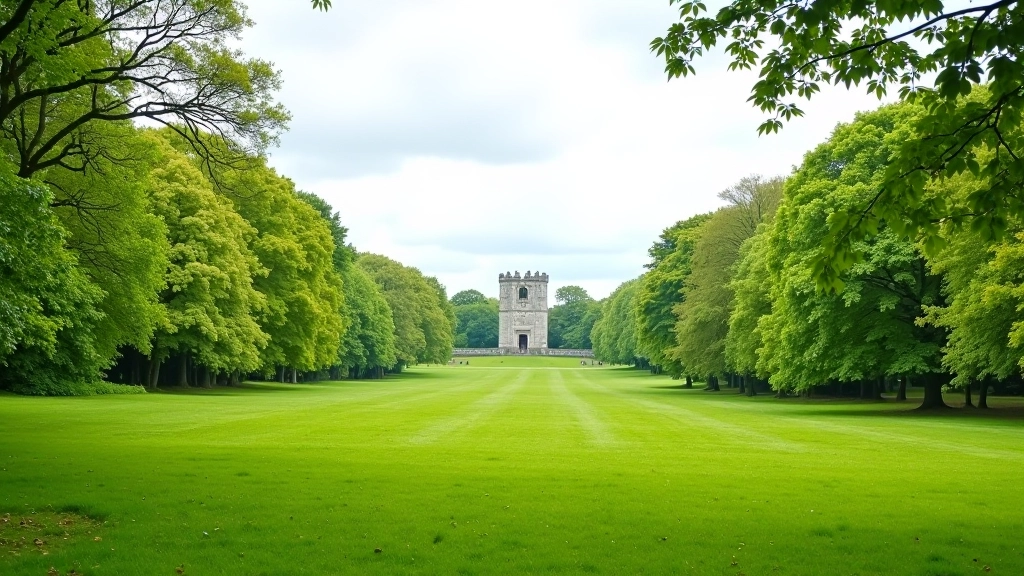
A gentle circuit through mature woodland with open parkland sections. Perfect in autumn when the light filters through the canopy.
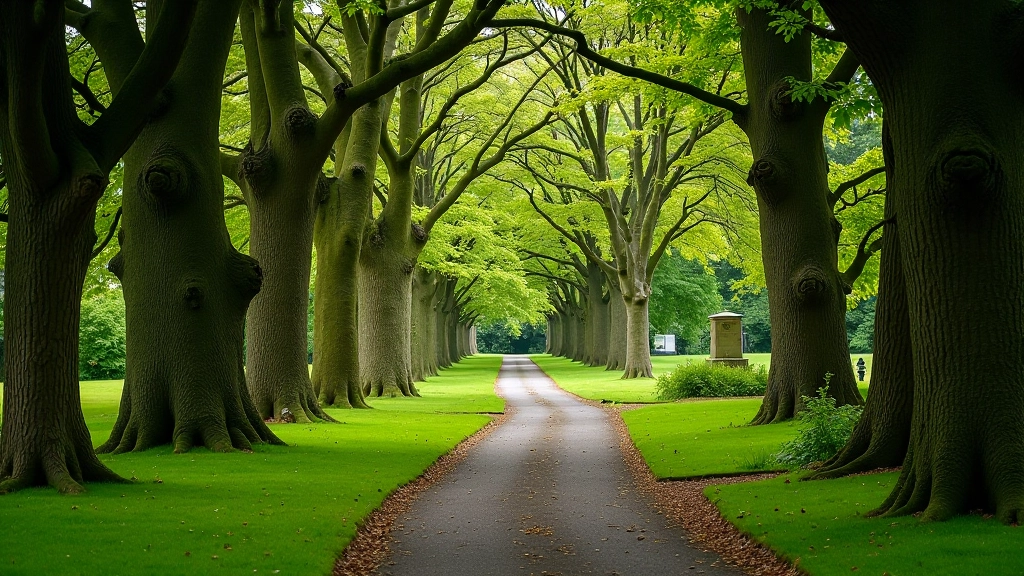
Explore the grounds of Castletown Cox with marked paths through mature trees and heritage features. Well-maintained and accessible.
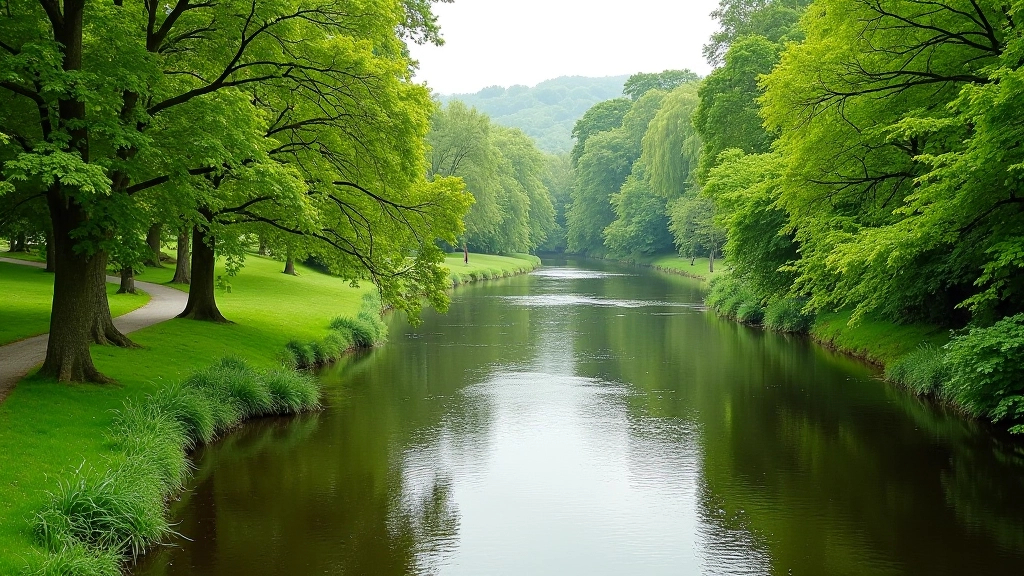
Follow the Suir river through the valley floor with peaceful water views. Flat terrain makes this suitable for most fitness levels.
The main car park is just off the R505 near Ardmore. It's clearly signposted and there's decent parking for about 20 vehicles. From the car park, the walk starts immediately — no need to walk far just to begin. The route is waymarked with painted arrows on trees and posts, so you won't get lost even if visibility isn't great.
Total distance is 3.5 kilometres, taking between 75 and 120 minutes depending on how long you linger. There's no technical difficulty — it's walking, not hiking. You don't need special equipment or fitness levels. What you do need is comfortable shoes and a willingness to take it at your own pace.
Best times to visit are spring when the woodland's fresh, or autumn for the colours. Summer's fine too, though the parkland can get hot without shade. Winter works if you don't mind potentially muddy sections in the woodland. After heavy rain, some paths get waterlogged, so check conditions if you're planning a visit in wet weather.

The folly tower itself is the centrepiece, and there's something appealing about 18th-century follies — they were built purely because someone wanted an interesting view point. This one was constructed around 1750 and commands genuine views. On clear days you're looking across the Suir valley towards the Comeraghs. The tower's roughly 8 metres high and it's survived remarkably well.
Around the tower you'll notice the parkland's been carefully managed for centuries. The mature trees scattered across the open space aren't accidental — they were planted as part of an estate landscape. This kind of parkland design was fashionable with 18th and 19th-century landowners who wanted to create picturesque views from their houses.
The woodland sections you walk through tell another story. These aren't wild woods — they've been managed as estate woodland, which is why you get the open forest floor and taller trees without dense undergrowth. It's this management that makes the walking pleasant.
Start early if you can. Not because it's difficult, but because the light's better in the morning and you'll have the place quieter. The walk's popular with good reason, so weekday mornings tend to be less crowded than weekends.
Don't rush to the tower. Take the walk as it comes. You'll notice the subtle changes in the landscape as you go — the way the woodland opens up, how the valley comes into view, the shift in air and light. These transitions are what make the walk memorable.
The tower itself is accessible to climb if you're comfortable with stone steps. The spiral staircase is narrow but manageable. The views from the top justify the climb, and it's genuinely impressive looking out across the valley from up there.
Bring a camera but don't let it distract you from actually experiencing the walk. Some of the best moments are just standing somewhere and letting the landscape settle around you.
This isn't a challenging walk, but it's a satisfying one. You get woodland, parkland, views, and a genuine destination. The route's well-maintained, the scenery changes enough to keep things interesting, and there's real history woven through the landscape. Whether you're looking for a peaceful morning out or want to introduce someone to walking, this route delivers without demanding anything excessive.
The Folly Tower Heritage Route works because it balances accessibility with genuine reward. You're not just walking in a loop — you're visiting a real place with history, you're experiencing the valley landscape, and you're moving through different environments that each feel distinct. That's what separates a good walk from just a stroll.
Editorial Team
Written by the evilmanga editorial team, focused on clear, honest guidance for accessible walking in Tipperary.
Choose activities that match your fitness level, check local conditions before travelling, and speak with your GP if you have health concerns before starting a new activity. Weather can change quickly in the valley — bring appropriate clothing regardless of the forecast. The route is well-maintained but natural terrain can be uneven after rain. Always let someone know where you're going.